Wondering if a brand-new home in Wildlight or a nearby resale is the smarter move? You are not alone. The decision affects your budget, move timeline, maintenance, and long-term comfort. In this guide, you will see the real tradeoffs, the questions to ask, and the due diligence that helps you buy with confidence in Nassau County. Let’s dive in.
Wildlight at a glance
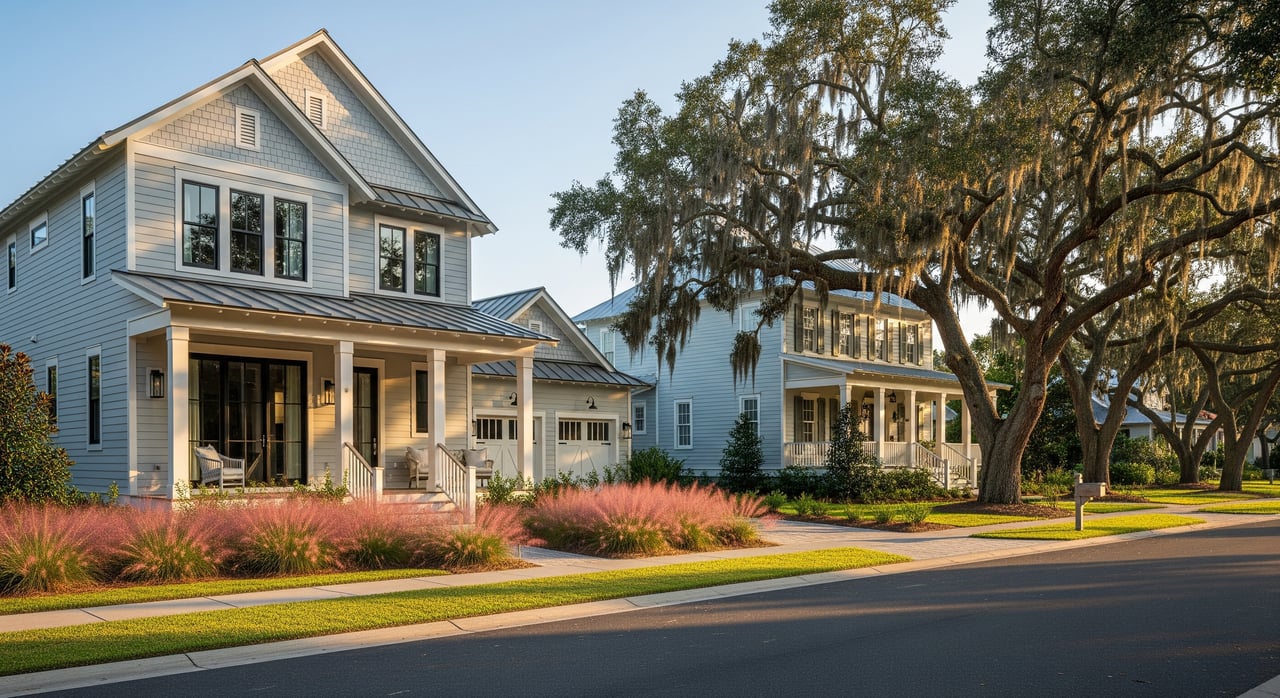
Wildlight is a master-planned community in Nassau County near Yulee. It blends residential neighborhoods with planned amenities and commercial spaces built in phases. Like many planned communities, you can expect homeowners associations and possible community development district assessments, plus a rollout of infrastructure and amenities over time.
If you want modern layouts, sidewalks and trails, and a coordinated neighborhood feel, Wildlight is designed for that experience. If you prefer established neighborhoods with mature landscaping and known traffic patterns, resale homes nearby may be a better fit.
New construction vs resale: quick comparison
Price and costs
New construction in Wildlight
- Pros: Predictable base pricing and possible builder incentives for closing costs. New systems can help lower utilities.
- Cons: Lot premiums and design upgrades add to the price. Deposits and builder fees can differ from resale norms, and some may be nonrefundable.
- Action: Ask for a fully itemized quote showing base price, lot premium, options, estimated closing costs, and any initial HOA or CDD contributions.
Nearby resale homes
- Pros: More room to negotiate price, repairs, or credits. You can review tax history for a clearer picture of carrying costs.
- Cons: Potential for immediate repairs or replacements such as roof or HVAC.
- Action: Request recent utility bills, the seller disclosure, and tax history before committing.
Timeline and possession
New construction
- Pros: Targeted delivery date and fewer near-term repairs after move-in.
- Cons: Build timelines can slip from weather, permitting, or supply issues. Model homes may be quicker, but customized builds take months.
- Action: Get a written build schedule, remedies for delays, and any penalties or credits the builder offers.
Resale
- Pros: Faster closings are common, subject to financing. Possession can be negotiated.
- Cons: Seller leasebacks or timing needs can limit flexibility.
- Action: Put all occupancy and possession details in the contract.
Customization and finishes
New construction
- Pros: Choose floor plans, finishes, and smart features, especially if you buy early in a phase.
- Cons: Option deadlines can be tight. Change orders add cost and time.
- Action: Clarify upgrade pricing, deadlines, and any change-order fees in writing.
Resale
- Pros: Move-in ready or a chance to renovate on your schedule. Negotiation may free up budget for updates.
- Cons: Fewer built-in customization options without a remodel.
Warranties and maintenance exposure
New construction
- Typical structure: workmanship coverage around 1 year, systems coverage around 2 years, and structural coverage that may extend up to 10 years, depending on builder and law.
- Pros: Early defects are often covered, and punch-list items are addressed at closing.
- Cons: Claim processes vary and may require formal steps or arbitration.
- Action: Obtain the builder’s full written warranty terms, claim process, and timelines.
Resale
- Pros: You can negotiate repairs or credits and purchase a third-party home warranty for the first year.
- Cons: Major systems may be out of manufacturer warranty.
- Action: Review existing warranties for appliances and systems, and consider a home warranty.
Location and community maturity
New construction in Wildlight
- Pros: Planned amenities, consistent design standards, sidewalks and trails, and newer infrastructure.
- Cons: Amenities open in phases and landscaping takes time to mature. Early phases may be farther from completed retail.
- Action: Confirm which amenities are open now, what is planned, and how your lot relates to future roads or parks.
Resale
- Pros: Established neighborhood character, mature trees, and known traffic patterns.
- Cons: Older infrastructure can require more upkeep.
- Action: Evaluate common repair needs and long-term maintenance typical for that area.
Appreciation and resale prospects
New construction
- Support factors: New amenities, efficient features, and desirable lots can help value over time.
- Headwinds: An initial new-home premium and many similar homes selling at once can temper short-term appreciation.
- Action: Review sales velocity and phase-by-phase pricing when you evaluate a new build.
Resale
- Pros: Updated properties in established areas can show strong value relative to similar new builds.
- Action: Compare price per square foot and appreciation trends in nearby neighborhoods.
Insurance, taxes, and monthly costs
Understanding your total monthly cost matters just as much as the purchase price.
Property taxes and assessments
- New builds may start with lower assessed values that rise after reassessment. Resales have a tax history you can review. Verify estimates with the county’s resources and property records.
- If the home is in a community development district, this is a recurring line item in your budget. Learn how CDDs work under Florida law by reviewing Florida Statutes Chapter 190, and confirm specific assessments through county or community documents.
Insurance in Nassau County
- Flood and wind risk are key in Northeast Florida. Check parcel-specific flood zones on the FEMA Flood Map Service Center.
- Newer roofs, wind-mitigation features, and modern systems can help with premiums. Compare quotes for a Wildlight new build and a nearby resale before you decide. For consumer guidance, visit the Florida Office of Insurance Regulation.
HOA and CDD fees
- Planned communities often have HOA fees for common areas and amenities. Many also include a CDD assessment. Request current HOA budgets and the CDD disclosure for exact amounts. You can research parcel data and taxes through the Nassau County Property Appraiser.
Inspections and walkthroughs
New build inspection plan
- Hire an independent inspector for key stages: foundation, framing or pre-drywall, mechanical rough-in, and a final pre-closing inspection.
- Complete the builder’s walk-through, build a written punch list with photos, and confirm timelines for fixes in writing.
- Keep all documentation for warranty claims and note how to submit requests.
For inspection best practices, consult professional resources like the American Society of Home Inspectors and InterNACHI.
Resale inspection plan
- Order a general home inspection during your contingency period.
- Add specialists as needed, such as roof, pest/termite, HVAC, mold, sewer or septic.
- Use your findings to negotiate credits, repairs, or a price adjustment.
Punch lists and warranty claims
- New construction: Create a detailed punch list during the final walk-through. Cosmetic items are typically quick fixes; systems or structural items may take longer.
- Warranty process: Submit all claims within the specified windows. Keep emails, photos, and invoices organized. Some builder contracts require mediation or arbitration; know the steps before you sign.
For general warranty context, see the National Association of Home Builders.
Contracts and financing differences
Builder contracts
- Many builders use their own contracts with limited contingencies and specific performance timelines.
- Watch for nonrefundable deposits, escalation language, and strict change-order rules.
- Some incentives are tied to preferred lenders. Verify what happens if you choose an outside lender.
Resale contracts
- Typically include inspection and financing contingencies, plus more flexibility for closing credits and repairs.
- Appraisal risk is common. Plan how to handle a low appraisal before you go under contract.
Must-have document checklist
- Full builder contract in advance, including arbitration, inspection, and default clauses.
- Builder warranty and claim procedure documents.
- Itemized list of included features, upgrades, and costs.
- Timeline for options and change orders with deadlines.
- Lot premium explanation, survey, and grade plan.
- HOA covenants, bylaws, budgets, and current assessments.
- CDD disclosure and estimated annual assessment.
- Third-party inspection rights and final walk-through timing.
- Remedies for delayed occupancy or missed delivery dates.
- Sample closing costs, incentives, and lender options.
Which path fits you?
- Choose new construction in Wildlight if you want modern floor plans, energy-efficient systems, and the chance to personalize finishes, and you can be flexible on closing dates.
- Choose a nearby resale if you want an established neighborhood, mature trees and landscaping, and the possibility of negotiating price and repairs for value.
- Choose new construction if you prefer lower near-term maintenance and are comfortable with HOA/CDD structures common to planned communities.
- Choose resale if you plan to renovate or value immediate possession and negotiation flexibility.
Local due diligence toolkit
Use these resources to verify the details that matter for your budget and peace of mind:
- Flood zones and risk mapping: FEMA Flood Map Service Center
- Property taxes, parcel data, assessments: Nassau County Property Appraiser
- Market trend context: Florida Realtors Local Market Updates
- New-home warranty guidance: National Association of Home Builders
- Inspection standards and checklists: ASHI and InterNACHI
- Insurance guidance and consumer tools: Florida Office of Insurance Regulation
- Legal framework for CDDs: Florida Statutes Chapter 190
When you are ready to compare specific homes, estimate carrying costs, and navigate builder or resale contracts, connect with a local advisor who does this every day. If you want a hands-on, multilingual guide who knows Wildlight, Yulee, and Amelia Island, reach out to Lily Bostick. Let’s connect and craft your plan. Hablo español e português.
FAQs
What is a CDD and how could it affect a Wildlight home purchase?
- A Community Development District is a local unit that finances and maintains infrastructure in many planned communities; the assessment is a recurring cost that you should review in the CDD disclosure and your estimated monthly budget.
How long does new construction typically take in Nassau County?
- Timelines vary by builder, phase, and weather or permitting, so request a written schedule with remedies for delays and consider a model home if you need a faster move.
Are flood zones a concern near Wildlight and Yulee?
- Flood risk depends on the specific parcel, so check the address on the FEMA Flood Map Service Center and obtain a flood insurance quote as part of your cost comparison.
Can you negotiate on new construction the same way as on a resale?
- You can often negotiate incentives or options with a builder, but pricing structures differ; on resales, you may negotiate price, repairs, or credits based on inspections.
What inspections do I need for a new build in Wildlight?
- Schedule independent inspections at foundation, pre-drywall, systems rough-in, and final, then document a punch list with photos before closing and keep records for warranty claims.
How do HOA and CDD fees impact my mortgage budget?
- These fees increase your monthly carrying costs, so include them with taxes and insurance when you calculate affordability and compare new construction to resale.